



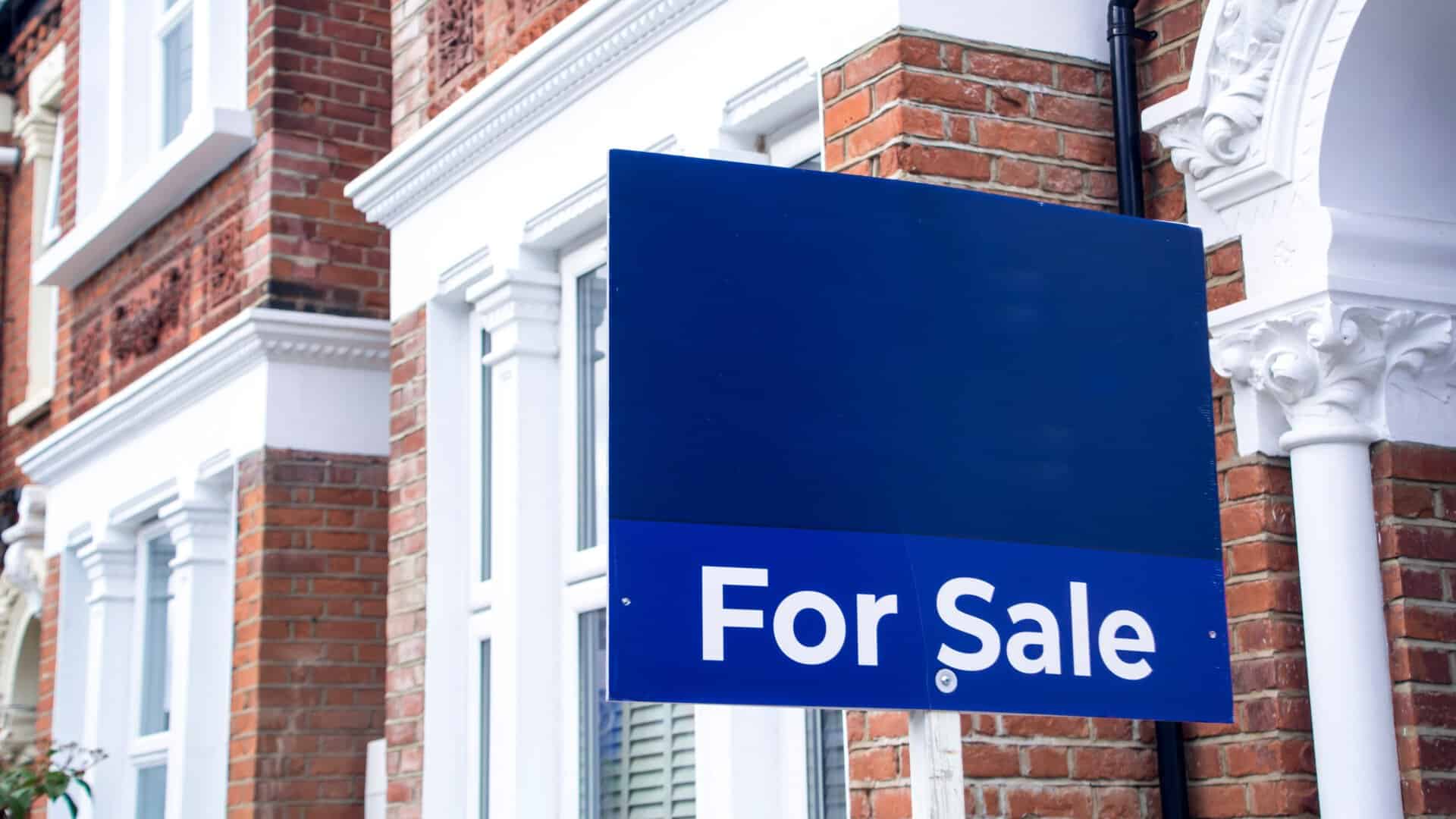
An estate agent is accusing too many sellers of asking too high a price for their homes.
1st Avenue, a London agency, cites recent Zoopla data showing that of homes listed for sale between 2023 and 2026, some 44% failed to find a buyer.
“The data marks one of the starkest indictments yet of the disconnect between what sellers expect and what buyers are actually willing to pay” according to the agency’s Josh Endacott.
He continues: “We are seeing a market where buyers have more choice than at any point in over a decade, and yet too many sellers are still pricing as if it were 2022 or 2021, when demand was at its absolute peak, and buyers were competing fiercely for every available property.”
Endacott says too high an asking price leads to a lengthy spell on the market, creating a stigma around the property.
But he says the fault lies not only with sellers but agents too.
If an agent doesn’t address overvalued pricing with a seller and has to push for price reductions weeks later, they can find that that what he calls “the crucial window” of maximum buyer interest has passed after no more than four weeks.
“We see sellers making the same mistake repeatedly. People base their asking price on what they need for their next move, or on what a neighbour got three years ago, rather than what the current market will actually support. That kind of thinking costs them time, money, and enormous amounts of stress.”
Zoopla suggests that 41.8% of all UK property sales occur in the first four weeks of a home being listed.
Once a property reaches 12 weeks on the market without a sale, the probability of finding a buyer drops to just 14.5%.
Zoopla’s data also found that homes requiring a price cut take, on average, 2.4 times longer to sell than those priced correctly from the outset.
And in London, separate analysis by Connells-owned estate agency Hamptons found that properties which underwent price reductions in 2025 took an average of 64 days longer to sell compared to homes that were priced accurately from day one – the most significant delay recorded since 2015.